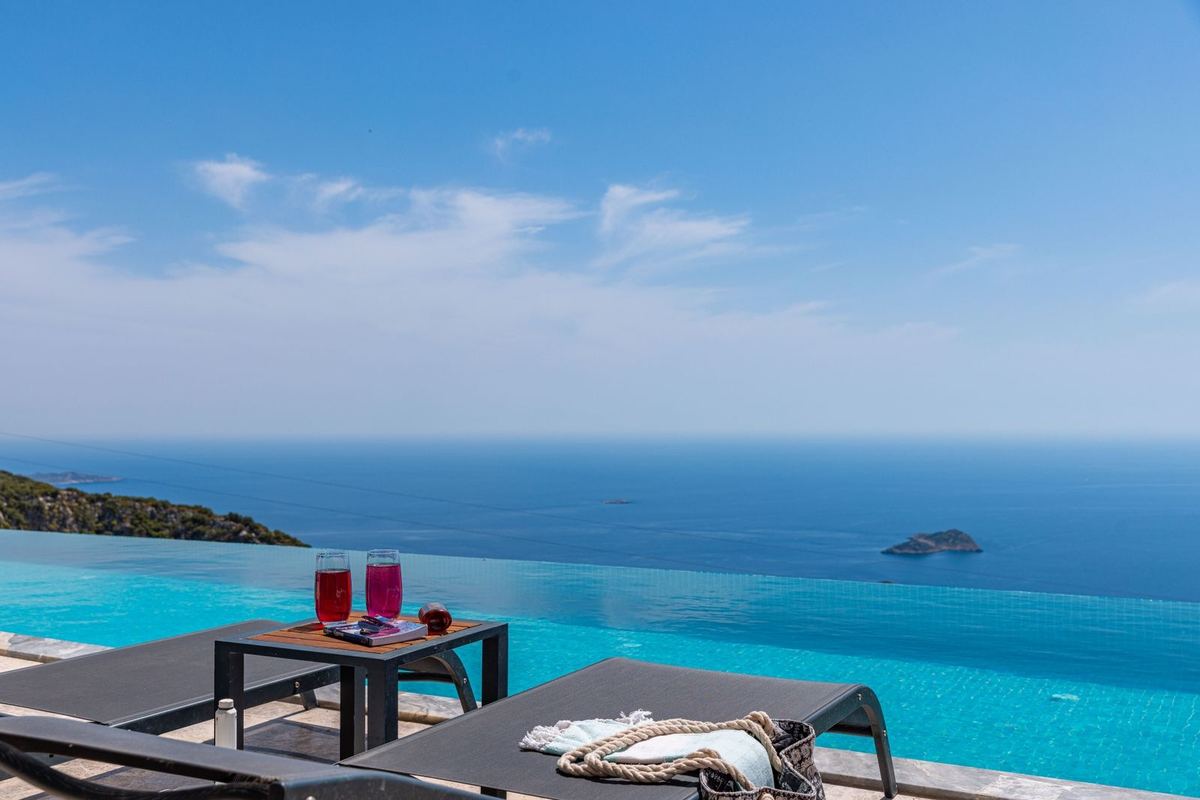
Gunite pools explained
Gunite is dry-mix concrete, wetted at the nozzle and sprayed at high pressure onto a cage of reinforcing steel, forming the pool shell in one continuous piece. Because the shell has no joints and can take any shape, it suits the rocky, sloping plots of the Costa Blanca better than most other methods; its strength comes from the engineering and the workmanship.
How the shell goes in
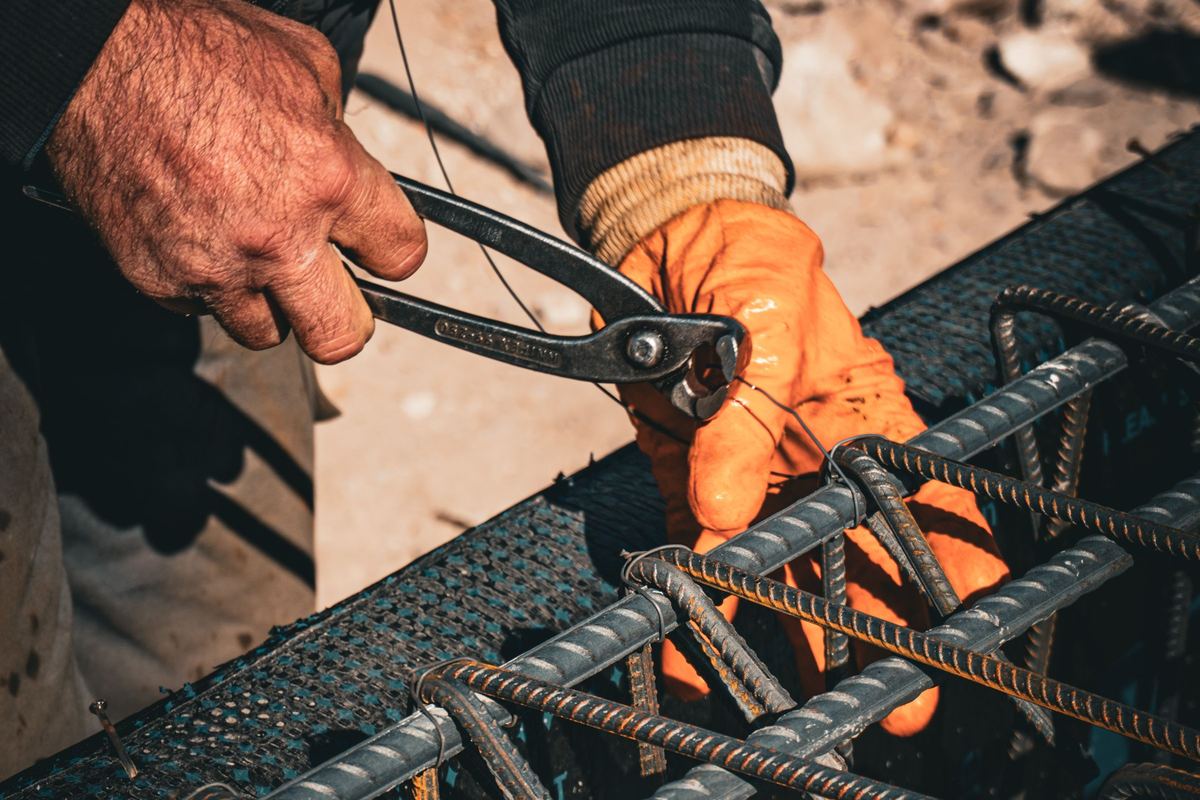
After excavation, we tie a cage of steel bars to the shape of the pool, with all the pipes, lights and fittings fixed in place. The gunite crew then sprays the concrete over the steel in a single day, building up the walls and floor and shaping steps, benches and ledges as they go. The shell is then left to cure for several weeks.
Want to know how your pool's shell would be built? Send a few photos of the plot.
Ask on WhatsAppGunite versus block-built pools
Some pools are built from concrete blocks filled with concrete on a cast floor. They can be fine on flat, easy ground, but they have joints where cracks can start and they are harder to shape. A gunite shell is monolithic, copes better with movement on slopes and lets us build curves, infinity edges and integrated benches without extra cost in formwork.
Why curing matters
Concrete keeps gaining strength for weeks after it is sprayed. Rendering or tiling too early risks cracks and tiles lifting later, so we never rush this stage. It is also why we plan builds over the winter: see the best time to build a pool.
The steel cage
The strength of a gunite pool comes from the steel inside it. Bars are tied in a grid on the floor and walls, with extra steel where the loads are highest: corners, steps, the infinity edge and any part standing above the ground. The engineer's drawings set the bar size and spacing. Before the gunite crew arrives, we check every bar is covered by the right thickness of concrete, because exposed steel rusts.
Spray day
Gunite day is planned around the weather and the crew. The concrete is sprayed in layers and trimmed to shape as it goes, so the crew works continuously until the shell is complete. Steps, benches and the edges are formed by hand. The shell must not dry too quickly, so in warm or windy weather it is kept damp for the first days.
Testing before the finish
Before the finish goes on, we pressure-test the pipework, check the levels of the edges and skimmers and inspect the shell for any defects. On infinity pools the spill edge is levelled to within millimetres. Problems are far easier and cheaper to fix at this stage than after the pool is tiled.
Gunite for renovations and remodels
Gunite can also be sprayed onto an existing shell to change its shape: adding a ledge, raising the floor of a deep end or building new steps. This is a cost-effective way to modernise an older pool during a renovation, and the result is bonded to the old structure.
Who sprays the shell
Spraying gunite is a specialist job. The nozzle operator controls the thickness and compaction of the concrete, and a good crew makes the difference between a dense, strong shell and one with weak spots. We work with experienced gunite crews and are on site on spray day to check the work as it happens. The engineer's specification sets the concrete strength and thickness; our job is to make sure it is met.
Gunite and difficult access
One of gunite's advantages on this coast is that the concrete is pumped through a hose, which can run up drives, along paths and over walls. A plot with no lorry access can still have a full concrete pool, as long as the gunite machine and compressor can be placed within reach of the hose. On very difficult plots we plan the set-up at the survey. See pools on sloping plots.
Every new pool we build has a gunite shell.
Read next
Questions we are asked
Is gunite the same as shotcrete?
They are close cousins: both are sprayed concrete. Gunite is mixed with water at the nozzle, shotcrete before. Both make strong pool shells.
How long does a gunite pool last?
A well-built shell lasts for decades. Finishes and equipment are renewed during its life; the shell itself rarely needs replacing.
Can gunite be sprayed if there is no access for a concrete lorry?
Yes. The gunite is pumped through a hose, which can run a long way from the road, so it reaches plots that a lorry cannot.
Does a gunite pool crack?
A properly reinforced and cured shell is very resistant. Fine surface cracks in the render are different from structural cracks and are dealt with before the finish.
Jávea Pools
Built to last
Send us photos of the plot and we will explain the build in plain terms.