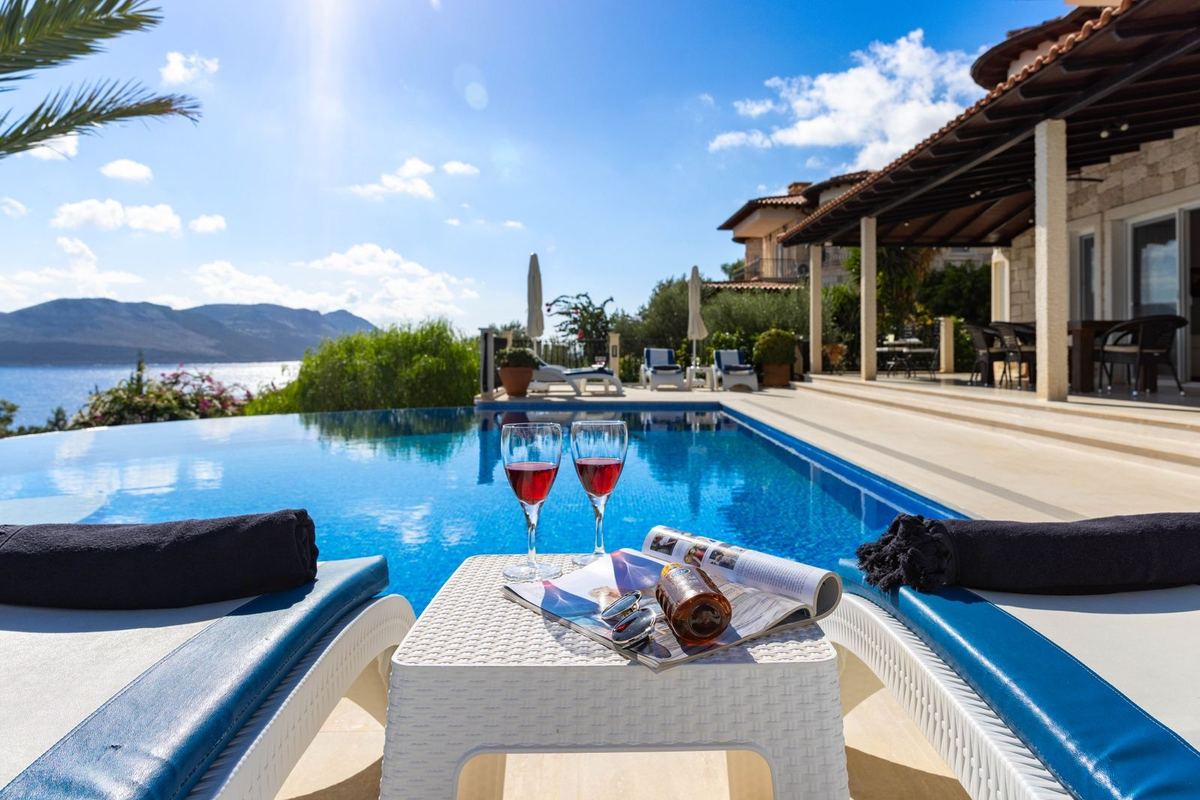
Groundwater and pools near the beach
In low-lying areas near the beach, such as Les Marines in Dénia and around Jávea's Arenal and Port, groundwater sits close to the surface. It affects how we dig a new pool and whether an existing one can safely be emptied.
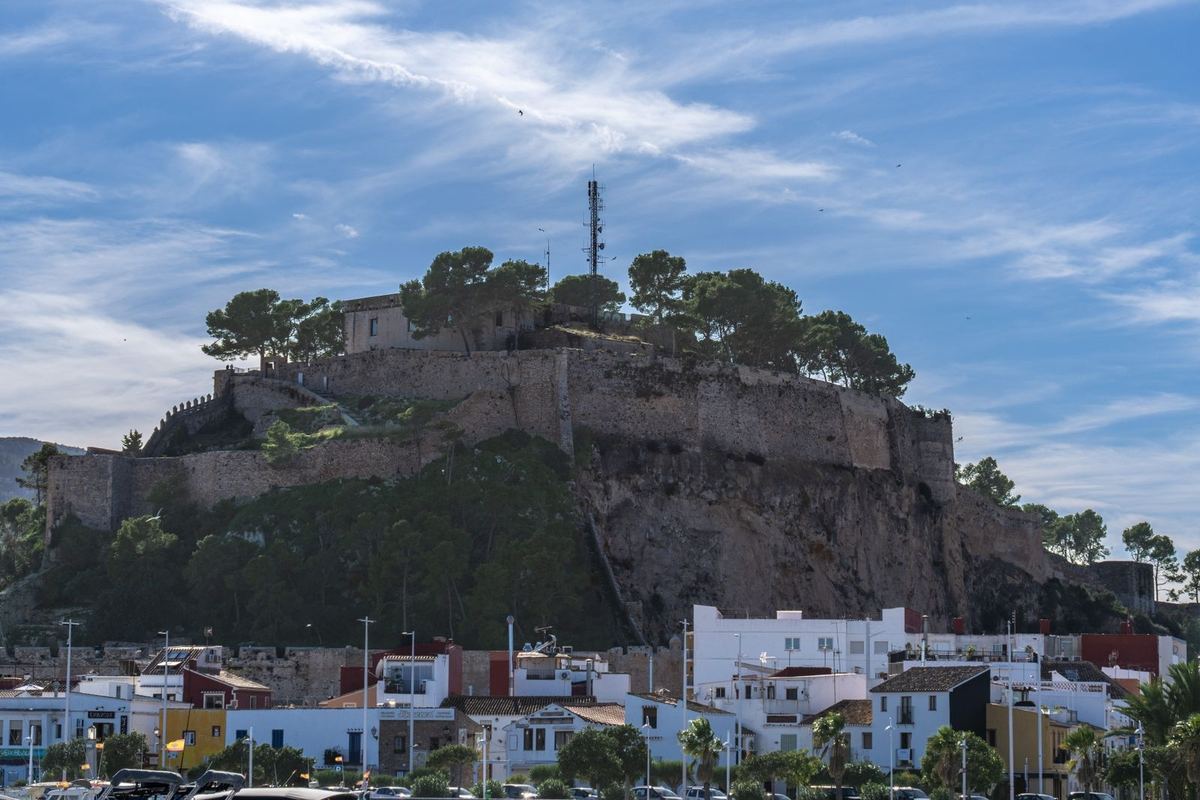
Digging below the water table
When the dig reaches groundwater, the hole fills from below. We pump it out during excavation and the build, and design the shell with drainage beneath it. On very wet ground the shell is made heavier or anchored to resist being pushed upwards.
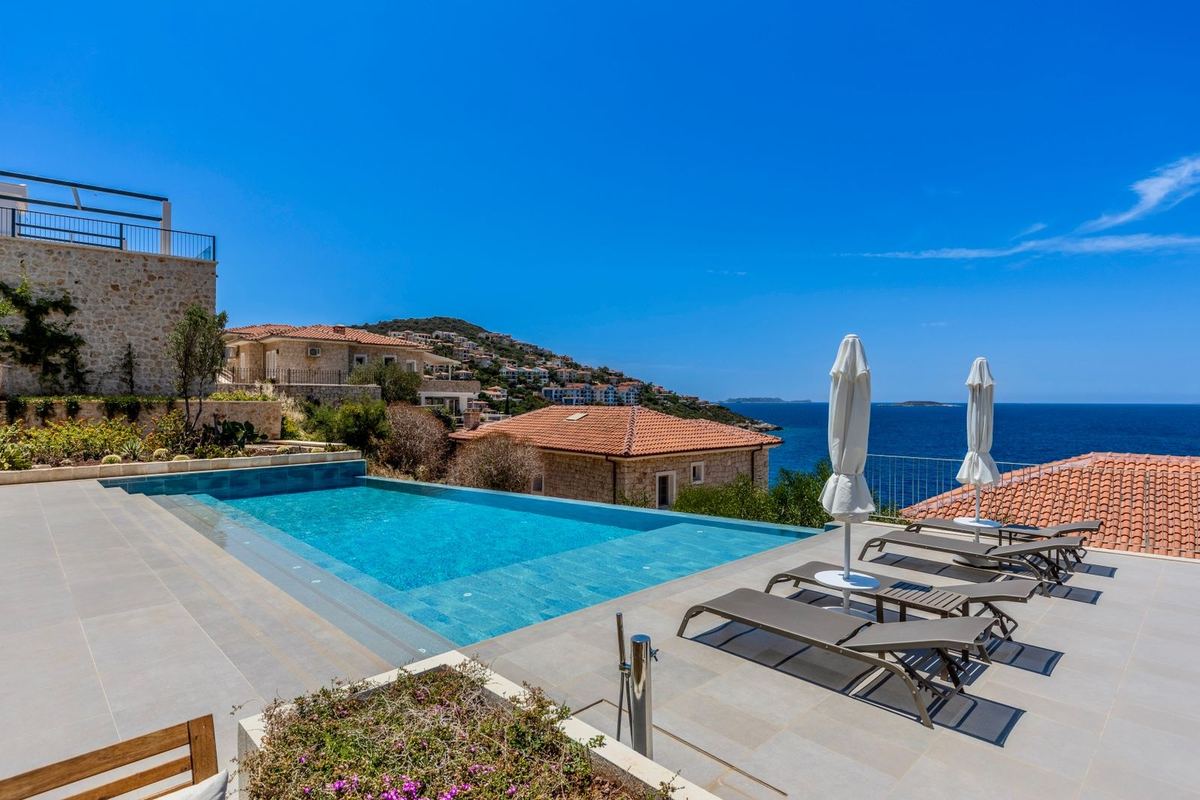
Live near the beach? Tell us the area and we will tell you what groundwater means for your pool.
Ask on WhatsAppWhy empty pools can lift
Groundwater pushes upwards on the underside of a pool. When the pool is full, the weight of the water holds it down. Empty it, and that upward pressure can lift or crack the shell. We check groundwater levels before draining any pool near the coast, especially for a renovation.
Relief valves and timing
Many pools in these areas have a hydrostatic relief valve in the floor that lets groundwater in rather than lifting the shell. We check it works, plan drainage for the driest time of year where possible, and keep the pool empty for as short a time as the work allows. See pools in Dénia.
Where it is most common
High groundwater is most common close to the sea and on flat, low-lying land: Les Marines and Les Deveses in Dénia, the Arenal and Port areas of Jávea, and parts of Moraira near the beach. Hillside plots rarely have this problem, although springs can appear after heavy rain where water seeps through the rock.
Seasons and groundwater
The water table rises after heavy rain, especially after the autumn storms, and falls through the dry summer. Where possible, we plan digging and any work that needs the pool emptied for the drier months. We also check the level before we start, with a trial hole or from experience with neighbouring pools.
Building in wet ground
When the dig fills with water, we use pumps and sometimes a gravel layer and drain under the floor to keep the hole dry while the shell is built. The shell itself is reinforced to resist the upward pressure. A hydrostatic valve in the floor protects the pool if it is ever emptied when the ground is wet.
Older pools near the sea
Many older beachfront pools were built without relief valves, or have valves that no longer work. Before any renovation that means draining, we check what is there. Sometimes the pool can be drained in stages or with the groundwater pumped down around it. In some cases we reline the pool with a minimum of time empty.
The Dénia coast
Dénia's long northern coast, through Les Marines, Les Bovetes and Les Deveses, is flat, sandy and close to sea level, with the orange groves and wetlands of the coastal plain behind it. Many villas and apartment blocks here have pools built on sand with groundwater less than a couple of metres down. Pools in this area need groundwater taken into account at every stage, from the dig to the day they are drained for a relining. See our page on Dénia for the rest of what changes there.
Drainage and pumping during a renovation
When a pool in wet ground must be emptied, we sometimes lower the groundwater around it first using pumps in small wells or in the pool's existing relief valve. This reduces the upward pressure on the shell while it is empty. The pumps run for the whole time the pool is drained and are only stopped once it is refilled. The work is planned to keep that time as short as possible, with materials on site before the water goes out. It is slower and more careful than draining a hillside pool, but it protects the shell.
Groundwater is one of the first things we check before any renovation near the coast.
Read next
Questions we are asked
Can any pool near the beach be emptied?
Not without checking. We assess the groundwater level and the shell first and drain only when it is safe.
Does groundwater affect a new pool's cost?
It can, because of pumping during the dig and extra drainage or weight in the shell. We price it at the survey.
What are the signs of high groundwater?
Water appearing in holes dug in the garden, a damp plant room, or a pool that has risen or cracked in the past are all clues.
Is saltwater groundwater a problem for the pool?
Brackish groundwater near the sea can affect metal fittings and some materials, so we choose components to suit.
Jávea Pools
Build safely near the sea
Send us the location and photos, and we will check the ground conditions on our visit.