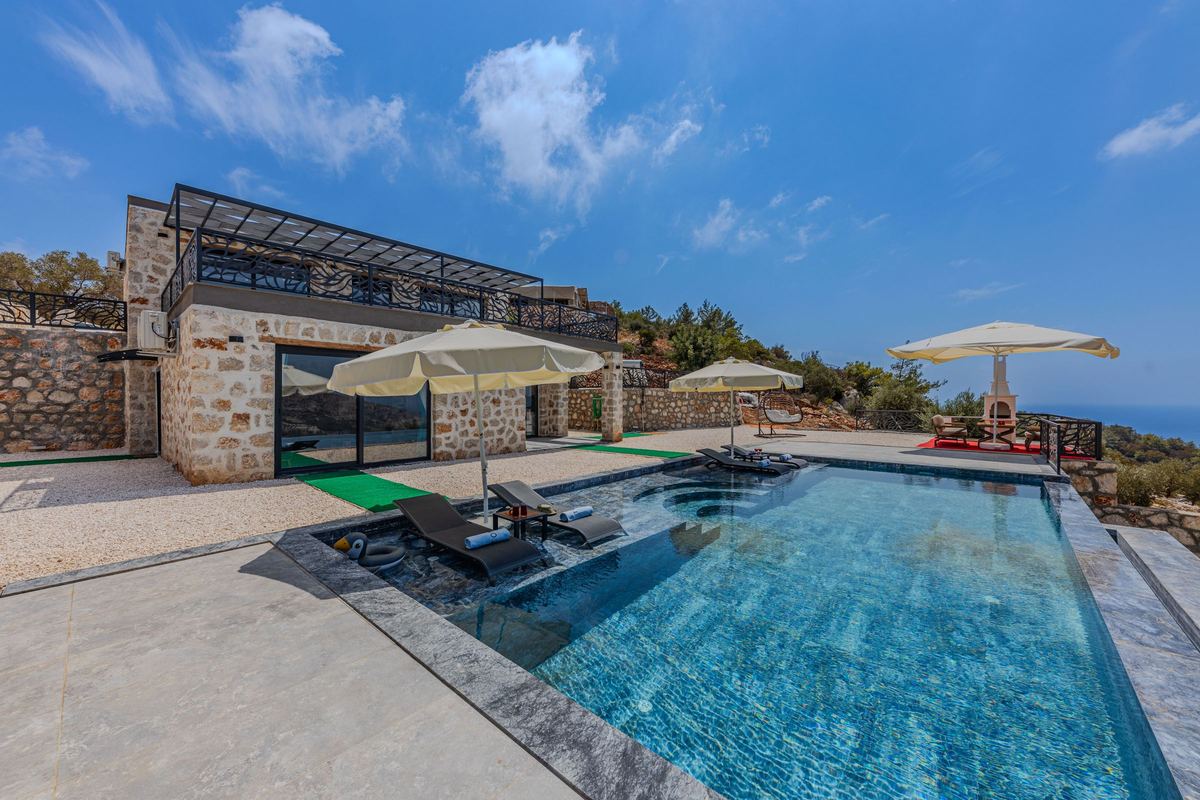
Comparing pool heating options
The three common ways to heat a pool here are an air-source heat pump, solar thermal panels and a gas boiler. In the mild Costa Blanca climate, a heat pump is usually the best balance of running cost and reliability, especially paired with a cover and roof solar panels.
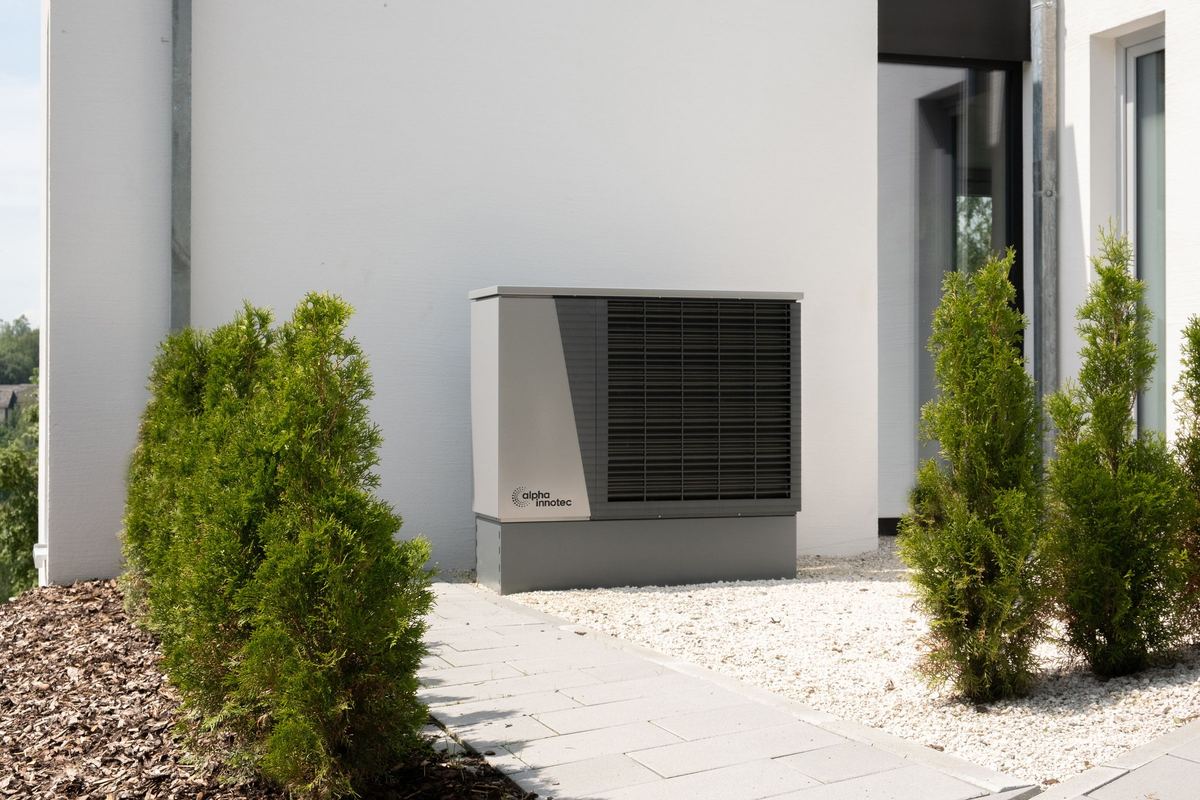
Heat pumps
An air-source heat pump moves warmth from the air into the water, giving out several units of heat for each unit of electricity. It works well from spring to autumn here, can hold a set temperature, and runs well on power from photovoltaic panels on the roof. See pool heating and heat pumps.
Not sure how to heat your pool? Tell us its size and when you want to swim.
Ask on WhatsAppSolar thermal
Panels or mats on a roof circulate pool water and warm it directly from the sun. Running costs are almost nothing, but they need a large, well-placed roof area, heat the pool only when the sun shines and cannot hold a set temperature. They suit owners who want to extend the season a little rather than control it.
Gas
A gas boiler heats water fast and works in any weather, which suits occasional use or spas. It is expensive to run for a whole season, so on villa pools here it is usually a back-up, if used at all.
Side by side
| Heat pump | Solar thermal | Gas | |
|---|---|---|---|
| Running cost | Low | Very low | High |
| Holds a set temperature | Yes | No | Yes |
| Works without sun | Yes, best above about 10°C air | No | Yes |
| Heats quickly | Moderate | Slow | Fast |
| Best for | Most villa pools | Extending the season | Occasional use, spas |
A heat pump sized and fitted for a villa pool is typically €2,800–€7,500; see prices.
Covers come first
Whatever heats the pool, most of the heat is lost from the surface overnight. A cover keeps it in. Without one, a heater has to replace that heat every day. With one, the same heater can be smaller and run for fewer hours. This is the single biggest factor in what heating costs to run. See covers and enclosures.
Enclosures for winter swimming
For owners who want to swim through the winter, a pool enclosure turns the pool into a sheltered space that holds the heat. Combined with a heat pump, it makes year-round swimming realistic in this climate.
Choosing a heat pump size
The right size depends on the pool's volume, whether it is covered, how exposed the plot is and how early and late in the year you want to swim. An undersized heat pump struggles in spring and autumn. An oversized one costs more to buy without saving money to run. We calculate the size for each pool rather than going by a rule of thumb.
Heat pumps in this climate
An air-source heat pump works by extracting warmth from the outside air, so its efficiency depends on the air temperature. On the Costa Blanca, daytime air from April to October is usually mild to warm, which suits heat pumps very well. In mid-winter they still work, but less efficiently, and on cold nights they can struggle. So most owners here heat from spring to autumn, and those who want to swim in winter add an enclosure. Running the heat pump in the warmest part of the day, ideally on solar power, gets the most from it.
Solar thermal on Costa Blanca roofs
Solar thermal panels for pools are simple collectors that the pool water flows through. They need a roof or frame facing roughly south, a good area of panels compared to the pool's surface, and pipe runs between the roof and the plant room. Many villa roofs here are pitched with tiles, or already covered with photovoltaic panels, which limits the space available. Where there is room, solar thermal is a very cheap way to extend the season by a few weeks either side of summer. We look at the roof and the pipe route before recommending it.
We size and fit heat pumps for new and existing pools.
Read next
Questions we are asked
Can I combine solar thermal and a heat pump?
Yes. Solar thermal does the work on sunny days and the heat pump tops up when needed.
Which heating is cheapest to run?
Solar thermal costs almost nothing to run but is weather-dependent. A heat pump powered by roof solar panels is close behind and far more controllable.
Can I heat only a plunge pool or spa area?
Yes. Small volumes heat quickly and cheaply, so a heated plunge pool is cheap to run.
How warm should a pool be?
Most people find 26–28°C comfortable. Each extra degree costs noticeably more to maintain.
Jávea Pools
Choose the right heating
Send us your pool's details and we will suggest the most economical way to heat it.